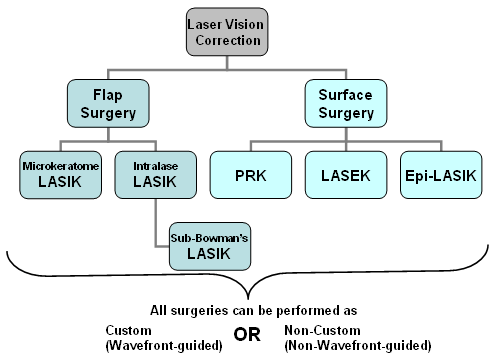
Refractive Surgery Options Explained: LASIK Vs. PRK Vs. SMILE
Material Develop By-Bredahl Mcconnell If you're considering refractive surgical treatment, you have actually likely come across LASIK, PRK, and SMILE. Each alternative has its own treatment and healing time, making them suited to various needs. Comprehending the distinctions can assist you make an educated selection. Yet just how do you determine which one lines up best with your way of life and vision objectives? Allow's check out each choice and discover what could help you.
Understanding LASIK: Treatment, Perk, and Recovery
LASIK, a prominent refractive surgery, provides a life-changing solution for those tired of glasses or contacts. Throughout the treatment, your surgeon uses a laser to reshape the cornea, permitting light to concentrate correctly on your retina. It usually takes around 15 minutes per eye, and many clients experience minimal discomfort. You'll enjoy more clear vision virtually instantly, with many accomplishing 20/25 vision or much better. The advantages of LASIK are tremendous— it decreases your reliance on restorative lenses and enhances your overall lifestyle. Healing is quick; you'll likely resume typical activities within a day, though it's vital to follow post-operative care instructions. With appropriate care, your boosted vision can last for years, making LASIK a worthwhile investment in your sight.
Exploring PRK: How It Works and What to Anticipate
If you're taking into consideration refractive surgery, PRK (Photorefractive Keratectomy) is an additional superb choice. Throughout the PRK treatment, your doctor eliminates the external layer of the cornea to reshape the underlying tissue making use of a laser. This process remedies nearsightedness, farsightedness, and astigmatism. Unlike LASIK, there's no corneal flap developed, making PRK suitable for those with thinner corneas. please click the next post !2sBrusco%20Vision!5e0!3m2!1sen!2sus!4v1765231519136!5m2!1sen!2sus” width=“600” height=“450” style=“border:0;” allowfullscreen=“” loading=“lazy” referrerpolicy=“no-referrer-when-downgrade”> After the surgery, you'll need to take care of some discomfort and follow-up treatment as the surface layer heals. Vision improvement usually happens gradually over a few days to weeks. It's essential to stick to your physician's post-operative directions for ideal recovery. In browse around this web-site , PRK uses a risk-free and reliable way to achieve more clear vision, particularly for clients who mightn't get LASIK.
The SMILE Technique: Advantages and Factors to consider
One more ingenious option in the world of refractive surgical procedure is the SMILE method (Little Incision Lenticule Extraction). This minimally intrusive treatment includes creating a tiny incision to remove a lenticule of tissue from your cornea, improving it to fix vision. One major advantage of SMILE is its preservation of corneal stability, which might cause much less completely dry eye compared to LASIK. You'll additionally experience a quicker recovery time and minimal pain. Nevertheless, it's necessary to consider that SMILE might not be suitable for every person, particularly those with severe refractive errors or certain corneal problems. Consulting with your eye treatment expert can help determine if SMILE lines up with your vision improvement objectives and total eye wellness.
Final thought
In picking the best refractive surgery for you, it's vital to weigh the advantages and considerations of LASIK, PRK, and SMILE. Each alternative offers distinct advantages tailored to your private needs, whether you prioritize quick recovery or have details corneal conditions. By seeking advice from your eye care specialist, you can make an enlightened choice that ideal fits your vision goals and lifestyle. Remember, the best choice can lead to clearer vision and an extra meeting life.